

Japanese Streetwear Style Guide: How to Wear a Japanese T-Shirt in 2026
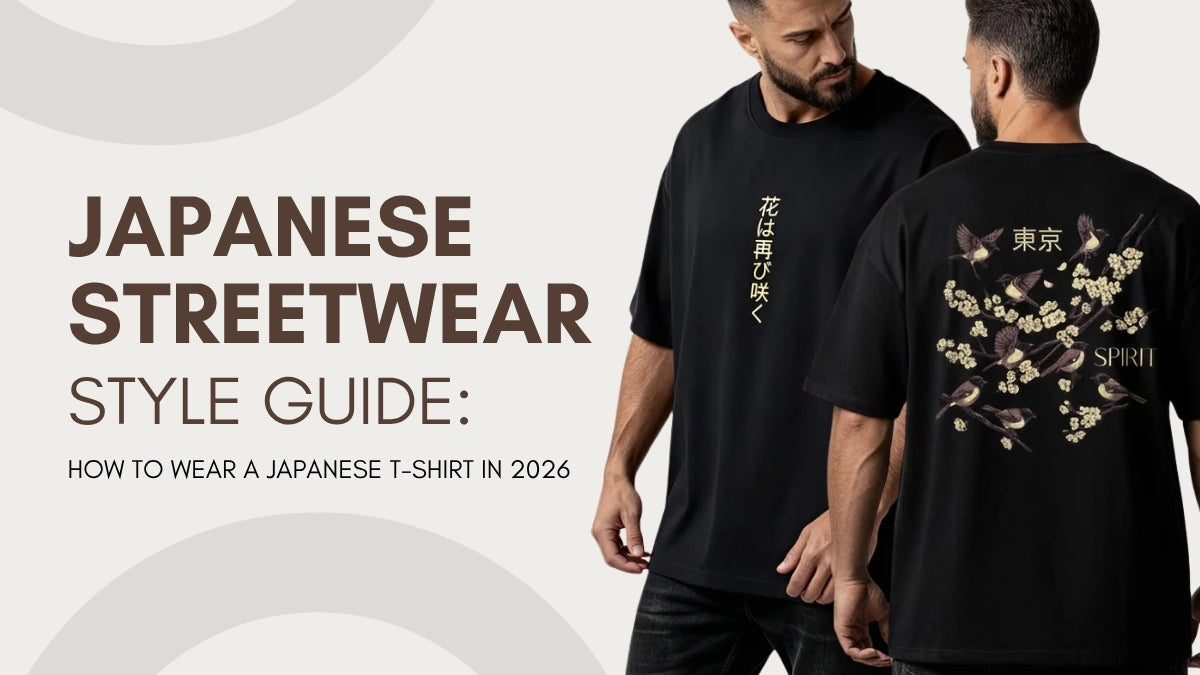
Japanese graphic tees used to sit in the anime fan merch bin. That has changed. Streetwear built around kanji, anime art, city signage and traditional motifs is now its own category, part of a global streetwear market worth roughly $216 billion in 2026. The shift comes down to craftsmanship and story rather than a cartoon print. Here is how to pick a Japanese T-shirt and style it correctly.
What Makes a Japanese Shirt Different
A Japanese T-shirt is not one look. It pulls from four distinct sources, and knowing which one you are buying changes how you should style it.
|
Element |
What it looks like |
Why it works |
|
Kanji |
Single or stacked characters, often oversized across the chest or back |
Reads as bold typography even to non-readers. Get it wrong and the meaning flips entirely, for example a shirt meant to read "samurai" that instead read "hemorrhoids", because both characters share the pronunciation ji (source). |
|
Anime art |
Linework, panels and colour palettes pulled from manga and anime |
Demand is already proven: the anime merchandising market is projected near $13.3 billion in 2026. |
|
City signage |
Fonts modelled on hand-painted shopfront lettering |
Traces back to Edo-period noren curtains, which displayed dyed characters, usually white on indigo, as a form of storefront advertising (source). |
|
Traditional motifs |
Waves, koi, cranes, cherry blossoms |
Carries symbolism from long-running textile and print traditions, so the graphic has a reason to exist beyond decoration. |
You may even like to read: Best Online Stores to Buy Oversized T-Shirts in India
How to Style a Japanese Shirt for Men
Fit decides whether the shirt looks intentional or costume-like. 2026 streetwear is leaning toward structured, oversized silhouettes rather than baggy ones (source), which gives you a clear starting point.
Streetwear pairing
• Boxy or oversized Japanese tee with wide-leg or tapered trousers, not both loose at once.
• Chunky sneakers and one accent colour maximum, so the graphic stays the focal point.
• Cap or beanie only if the shirt graphic is small; skip it with large back prints.
Casual pairing
• Regular-fit tee with straight denim and plain white sneakers.
• Keep accessories minimal so the shirt does not compete with jewellery or bags.
Layering with jackets
• A denim jacket or a haori-style overshirt worn open over the tee.
• Restrict the outfit to two or three tones total so the layers read as one look, not three.
You may even like to read: How to Style Oversized T Shirts
Picking Between Black and White Japanese Tees
Colour is not a coin flip. Black and white carry different signals, and the graphic behaves differently on each.
|
Factor |
Black tee |
White tee |
|
Signal |
Reads as versatile, edgy and premium, which is why it remains the most widely worn tee colour overall (source). |
Reads as clean and minimal, and acts as a blank canvas so the graphic pops (source). |
|
Best graphics |
Bold kanji, large back prints, city-signage typography. |
Fine linework, anime panels, muted traditional motifs. |
|
Seasonal pull |
Sales trend higher through colder months (source). |
Sales trend higher through warmer months, same source. |
Japanese Shirt vs Anime Tee vs Kanji Tee
These three terms get searched almost interchangeably, but they are not the same product.
|
Term |
What it usually means |
How it overlaps |
|
Japanese t-shirt |
Umbrella term covering kanji, anime, city-signage and traditional-motif graphics. |
Broadest term; includes the other two categories. |
|
Anime tee |
Character or manga-derived artwork, panels, or scenes. |
A subset of Japanese shirt, art-led rather than text-led. |
|
Kanji tee |
Character-based typography, no illustration. |
A subset of Japanese shirt, text-led rather than art-led. |
The Litt's Japanese T-shirt collection brings anime-inspired and street-culture graphics onto oversized, streetwear-cut tees. Browse the full collection at Japanese T-shirts.

Read more
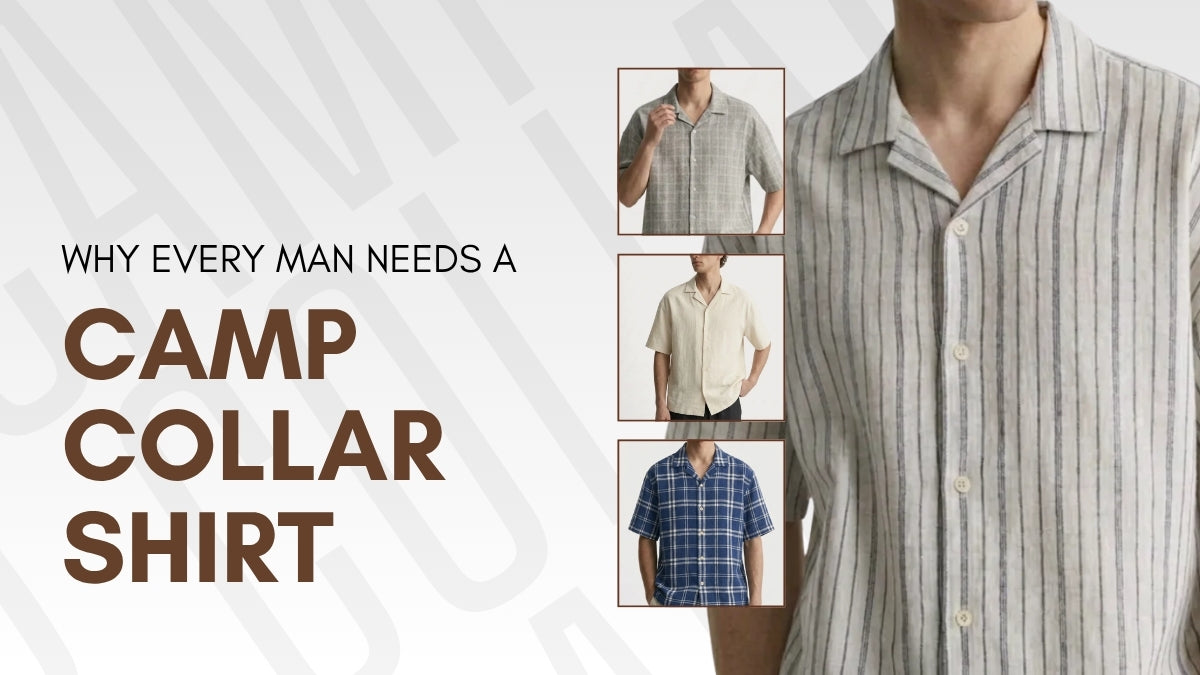
The camp collar shirt is not a new invention. It is not a trend manufactured by an algorithm or a brand campaign. It is one of the few shirt styles in menswear history that has earned its place ac...
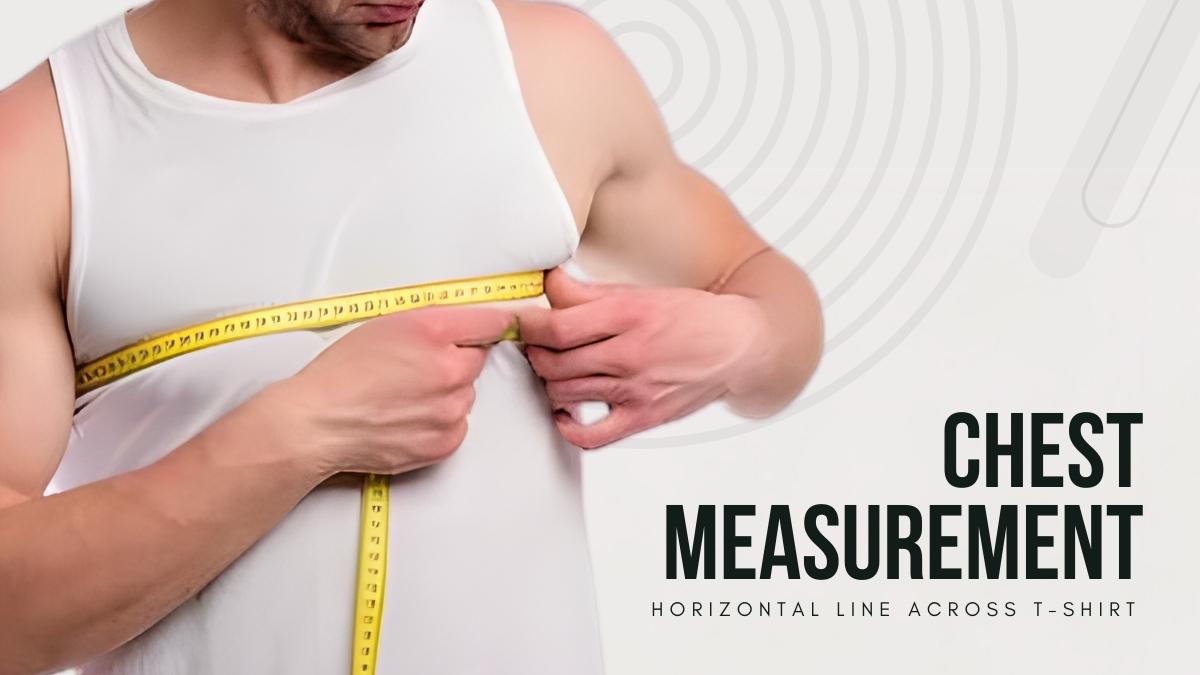
Table of Contents 1. How to Use This T-Shirt Size Chart 2. Standard Men's T-Shirt Size Chart India 3. How to Measure a T-Shirt Correctly 4. Visual Measurement Guide 5. Size Chart by Fit Type ...